
Advisory Practice, Northeast Scotland
Advice you can weigh, decisions you keep.
We help organisations see their situation clearly and act on it. The judgement is yours; the evidence and structure are ours.
What the Practice Does
A second opinion with the homework behind it.
Not a rescue plan, not a promise of growth. An independent view, written and defended.
Most engagements begin when something stops being obvious: a team split by reorganisation, partner agencies pulling different ways, or work flowing against the org chart. We bring a structure of questions, gather what people actually experience, and put a reasoned picture before the person who must decide.
No legal, tax, audit or financial advice is given, and the practice holds no financial regulation. We concentrate on how the work gets organised.
The Engagement
Four stages from first call to handover.
The same shape every time, which keeps expectations aligned.
- 01
The Conversation
A short phone exchange establishes what is happening and whether advisory work is the right instrument.
- 02
The Proposal
A written proposal fixes questions, method, timescale and fee.
- 03
The Reading
Review sessions with the people closest to the matter, plus shared documents.
- 04
The Handover
Findings are presented, defended and questioned; the client decides alone.
Three Streams
Advisory work split into three manageable streams.
Each stream has its own page with the shape a typical engagement takes.
Change Guidance
Guidance for teams facing restructuring, new leadership or merged duties, along with the hard conversations.
Organisational Reviews
A structured review of how work flows, with a session on the findings.
Partner Coordination
Several partners or community bodies brought onto one plan, in writing.
Where Streams Meet
Matters that sit between streams are combined in one engagement.

The Working Rooms
Where the preparation happens.
Sessions, working groups and quiet analysis, the part that makes opinions credible.




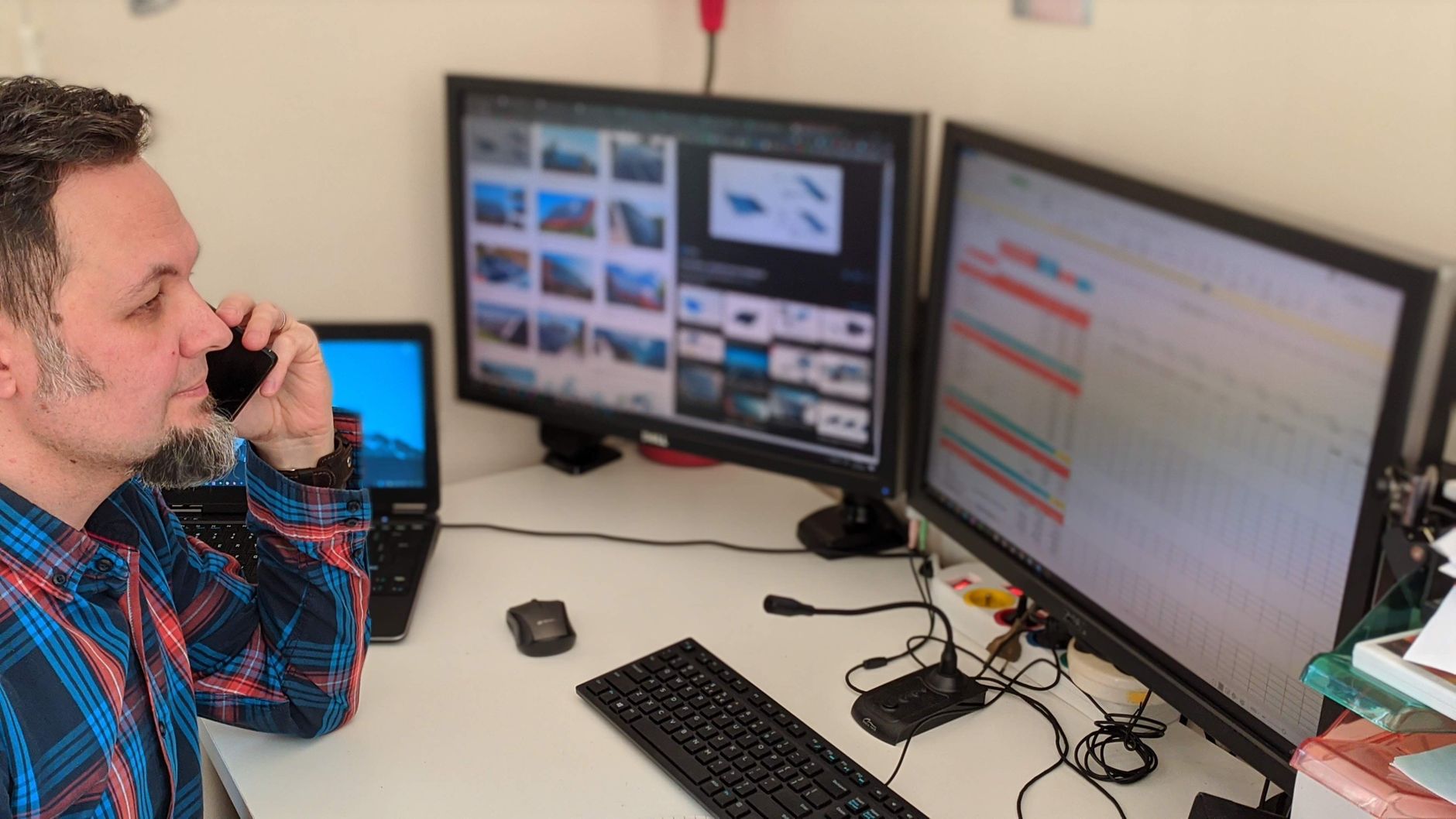

An advisor earns the client comparison by getting the picture right, not by promising the ending.
Asked Early
The opening questions of most engagements.
Four answers here; the fuller list has its own page.
On whose terms do you work?
The terms page carries the answer; the same duty of care holds for every client.
Do you decide things for us?
It never replaces the decision. Findings are handed over; leadership acts, or explains why not.
Do you also handle the financial side?
No. Accountants, solicitors or auditors stay in their own domains.
How fast can things start?
A proposal takes a working week; review engagements run four to six weeks.

The Doorway
One paragraph is enough to begin.
Each enquiry reaches the director personally. One paragraph on the situation is enough to judge whether advisory work fits.